Table of Contents
Laser hair removal can reduce unwanted hair and make your regular beauty routine simpler, but how you manage regrowth between appointments can affect how well your treatment plan works.
If you usually wax, you may be asking yourself can you wax during laser hair removal? It’s a common question, especially if waxing has been part of your routine for years. The short answer is that it’s best avoided during an active treatment course, and this article explains why, along with what you can use instead to stay smooth between sessions.
How Laser Hair Removal Works
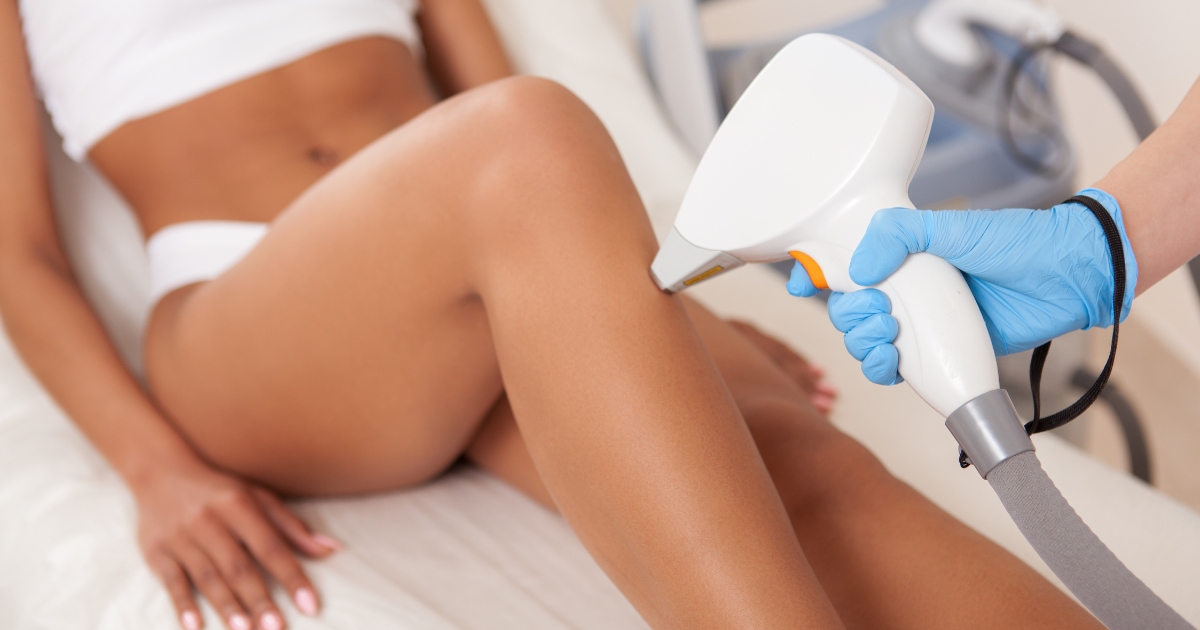
Laser hair removal uses concentrated light energy to target unwanted hair. The light is absorbed by pigment in the hair and converted into heat that damages the hair follicle. This can reduce the follicle’s ability to produce new hair over time. Because hair grows in different stages and the laser works best on hairs in a suitable growth phase, several sessions are usually needed.
Why Laser Needs the Hair Follicle
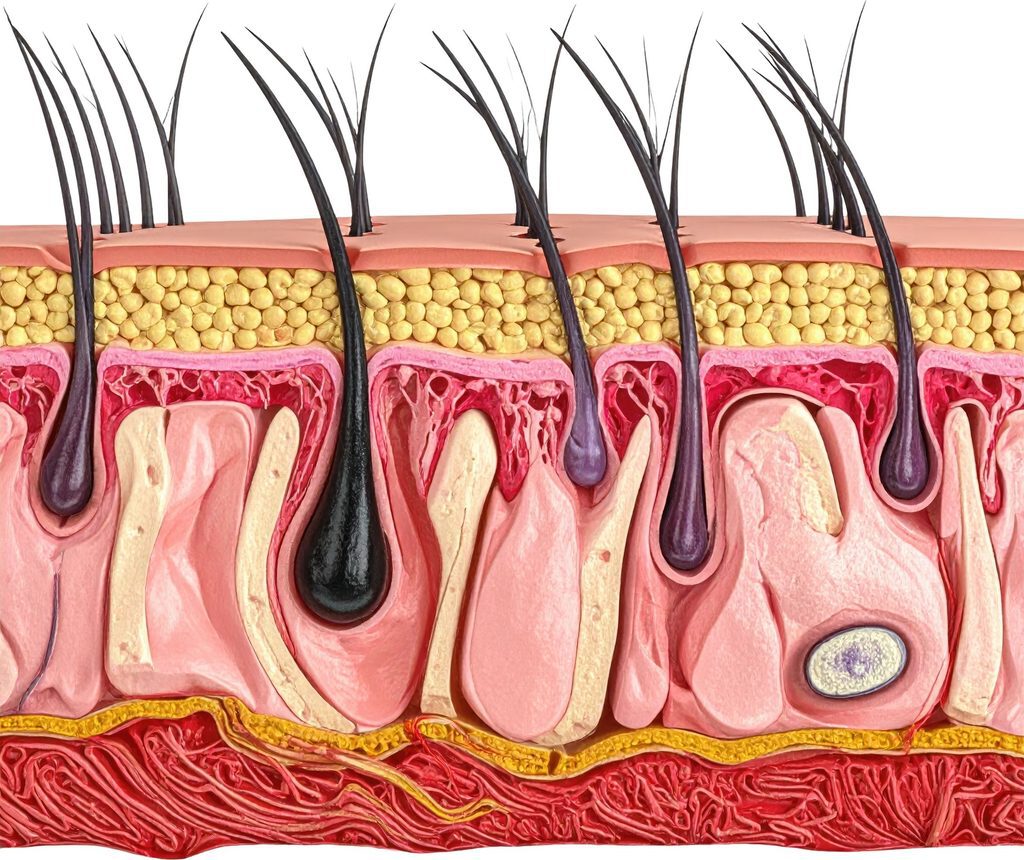
The hair follicle is the structure beneath the skin that produces hair. It holds the root of the strand along with the pigment that gives hair its colour, and this pigment is what the laser targets.
Once the light is absorbed, the heat travels down to the follicle and affects its ability to produce new hair. For treatment to work, the follicle needs to be intact and have enough pigment present for the laser to target.
Can You Wax During Laser Hair Removal?
This is where mixing waxing and laser causes problems. Waxing removes hair from the root, which means the follicle has little or nothing for the laser to target at your next appointment. This is a big part of why waxing interferes with laser results, since the laser simply has nothing to latch onto once the root is gone. This can make the session less effective and may mean you need extra appointments to get the results you’re after.
If you waxed before realising it wasn’t recommended, don’t panic. Let your hair regrow and tell your therapist before your next appointment. They can advise whether you should proceed or wait until there’s enough regrowth for the laser to work with.
What You Can Use Instead to Stay Smooth
What Can You Use Between Sessions?
Shaving is usually the most suitable option for managing regrowth between laser sessions. It cuts the hair at the surface without removing the follicle, so it’s less likely to interfere with your next treatment.
For a smoother shave:
- Use a clean, sharp razor
- Shave lightly in the direction that feels most comfortable for your skin
- Avoid going over the same area repeatedly
- Apply a gentle, fragrance-free moisturiser afterwards if your skin isn’t irritated
Follow the specific instructions given by your therapist, especially if you’re treating sensitive areas such as the underarms or bikini line.
What Should You Avoid for Now?
Waxing between laser sessions, along with any other method that removes hair from the root, should be avoided during your treatment course. This includes:
- Tweezing or plucking
- Threading
- Epilating
- Sugaring, if it pulls the hair out from the root
These methods take the follicle away as a target, so it’s best to hold off on them until your course is complete or your therapist advises otherwise.
How to Prepare for Your Next Laser Session
Other than things to avoid, A little preparation the day or two before your appointment can help the session go smoothly. In general:
- Have a light shave one to two days before your appointment, as SingHealth recommends
- Arrive with clean skin and skip deodorant, body lotion, perfume or other products on the treatment area unless your therapist says otherwise
- Wear loose clothing that gives easy access to the treatment area
- Tell your therapist if the area is sunburned, freshly tanned, irritated or unusually sensitive, so they can decide if the session should go ahead as planned
Preparation instructions can vary depending on the treatment area and the equipment your clinic uses, so always check with your therapist if you’re unsure.
When Can You Wax Again?
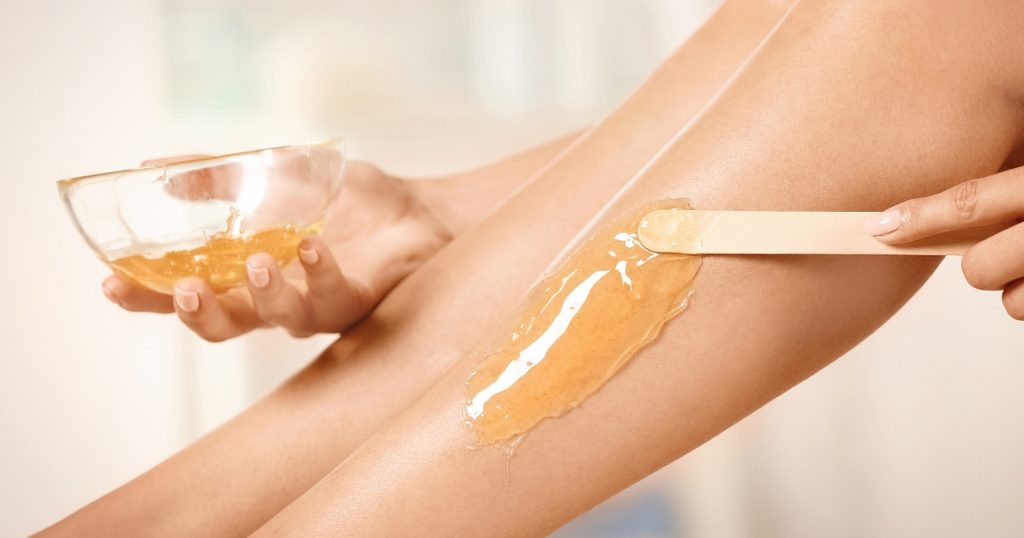
If you plan to wax after completing laser hair removal, ask your therapist when it’s appropriate. The answer may depend on:
- Whether you’re still undergoing active laser sessions
- How much hair has regrown
- The treatment area
- How your skin has responded to laser treatment
- Whether you’re having maintenance sessions
SingHealth recommends avoiding waxing and plucking for two weeks before laser treatment. Generally, avoid waxing while you’re still relying on a laser to target active hair follicles. The American Academy of Dermatology notes that many patients have treatments around every four to six weeks.
Caring for Your Skin During Treatment
Everyday Care Between Sessions
Gentle skin care can help keep the treatment area comfortable between sessions:
- Moisturise regularly with a gentle, fragrance-free product
- Protect exposed skin from the sun and avoid tanning
- Don’t scratch or pick at irritated areas
- Use gentle cleansing products
- Skip exfoliating if your skin feels sore, red or sensitive
Sun protection matters throughout your course, as recent tanning can increase the risk of an adverse skin reaction during treatment.
After Each Laser Session
Mild redness, warmth or swelling around the hair follicles can occur after laser hair removal. These effects are usually temporary but follow your therapist’s aftercare instructions.
After treatment:
- Keep the area clean and treat it gently
- Avoid hot baths, saunas and activities that cause heavy sweating if advised
- Avoid rubbing, scratching or exfoliating the area
- Avoid fragranced products until your skin feels comfortable
- Protect the area from sun exposure
- Contact your therapist if you develop severe pain, blistering, marked swelling or symptoms that don’t improve
Don’t shave right after treatment if your skin feels tender or irritated. Wait until the area has settled, then follow your therapist’s instructions.
Conclusion
So, can you wax during laser hair removal? In most cases, it’s best avoided, since the laser needs the hair follicle available as a target. Shaving is usually the better option, as it removes hair from the surface without pulling it from the root.
Every treatment plan and every skin type respond a little differently, so check with your therapist before your next shave, wax or laser appointment. Book your laser consultation today and we’ll help you work out the best routine for your skin.
FAQs
Can you wax during laser hair removal sessions?
In most cases, no. Waxing between laser sessions removes hair from the root, taking away the follicle the laser needs to target. Shaving is the preferred way to manage regrowth while you’re going through a treatment course.
What happens if I shave 3 hours before the laser?
Shaving a few hours before your appointment is generally fine and is sometimes recommended, since it leaves the follicle in place while keeping the surface clear for the laser. If you’re unsure how close to your appointment you should shave, check with your therapist, as this can vary by treatment area.
What is the 48-hour rule for waxing?
Many clinics recommend avoiding waxing for at least 48 hours before a laser session, though some ask for longer. SingHealth recommends avoiding waxing and plucking for two weeks before treatment. Your therapist can confirm the exact timing for your treatment plan.
Does waxing make lasers less effective?
Yes, and this is largely why waxing interferes with laser results. Since waxing pulls hair out from the root, there’s less for the laser to target at your next session. This can reduce how effective the treatment is and may mean you need extra appointments to reach your desired results.
Can I use hair removal cream (depilatory cream) instead of shaving?
It’s best to check with your therapist first. Some depilatory creams can irritate the skin, which may affect how your skin responds to laser treatment. Shaving is generally the safer default between sessions.