
Table of Contents
Working out after laser hair removal is something many people plan for before they leave the clinic. You may have a gym session booked, a weekly pilates class or a run you don’t want to skip.
But your skin might not feel like itself right after the treatment. It can feel warm, look a bit red or get more sensitive than usual. So, can you work out after laser hair removal? It depends on how your skin feels, what kind of exercise you’ve got planned and which area was treated. Here’s what to know before you get back to your routine.
Why Working Out After Laser Hair Removal Can Irritate Your Skin
Laser hair removal uses concentrated light to heat and damage the hair follicles. This helps reduce hair growth over time, but it also leaves the treated skin a little sensitive for a while after your appointment.
You may notice some redness, warmth or small bumps around the hair follicles. These reactions are usually mild and don’t last long, but exercise can make them more obvious.
When you work out, your body temperature rises and you start to sweat. Your clothes can also rub against the treated area, especially when you’re running, cycling or lifting. Sweating after laser treatment is a common cause of itching and stinging, and heat and friction can make it worse.
You don’t have to stop moving altogether. Working out after laser hair removal is possible. You just need to let your skin calm down before doing anything that gets you hot and sweaty.
How Long Should You Wait Before Exercising?
There’s no single waiting time that works for everyone. Generally, skip intense exercise for at least 24 hours. After that, you can ease back in if your skin feels comfortable and looks normal.
First 24 Hours: Rest Only
Day one is when your skin is most likely to feel warm or sensitive. Skip the gym after a laser hair removal session, especially if your workout usually leaves you sweating heavily. Sweating after laser treatment during this time is the most likely to cause irritation.
Avoid running, high-intensity workouts and heavy strength sessions. You’ll also want to stay away from saunas, hot yoga, steam rooms and hot baths, since they add more heat to the treated area.
A gentle walk is usually fine as long as it doesn’t make you sweat or feel uncomfortable. If the area feels sore, hot or irritated, resting is the better option.
24-48 Hours: Light Activity If Skin Feels Normal
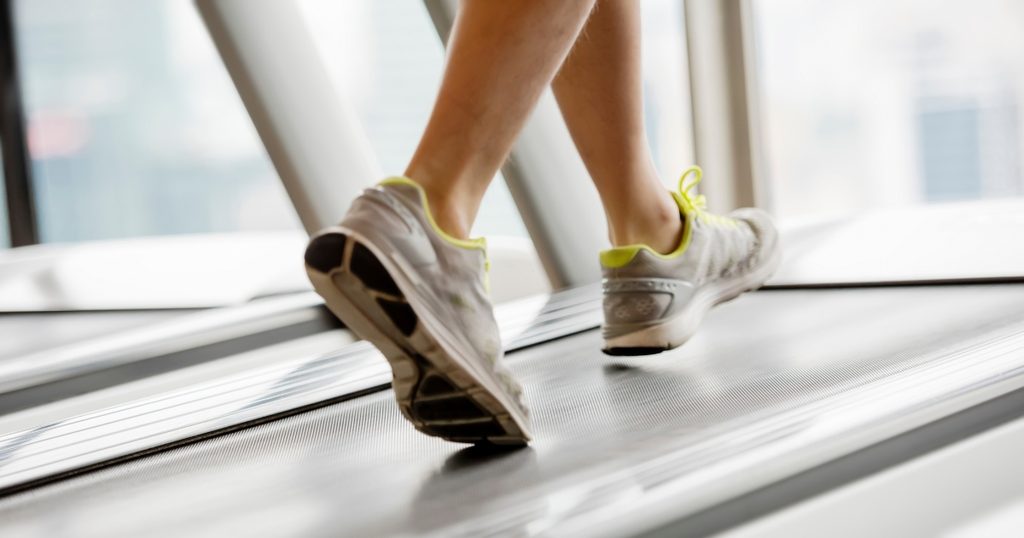
After 24 hours, you may start easing into light activity. Walking, gentle stretching and other low-intensity movements are usually more comfortable than a hard workout. If you want to go to the gym after a laser hair removal session, this is the earliest point to try a light visit, such as an easy walk on the treadmill or some gentle stretching.
However, you need to pay attention to how your skin reacts. If it remains calm during and after the activity, you can do a little more each time. If it starts to sting, feel hot or get redder, stop and give it more time.
Loose and breathable clothing will probably feel better at this stage, especially if the treated area is still sensitive. Tight sportswear can cause more rubbing when you move or sweat.
48-72 Hours: Return to Full Intensity
By 48 to 72 hours, many people can return to their normal exercise routine if the treated area has calmed down. This may include running, weight training, group classes and other high-intensity activities. This is usually when working out after laser hair removal feels normal again.
However, don’t push through ongoing irritation just because 48 hours have passed. Your own skin’s response is more important than following an exact timeline. Some people may feel fine sooner, while others may need a few extra days. If you still notice stinging from sweat, hold off on your full gym routine.
Signs You’re Ready (And Not Ready, Yet)
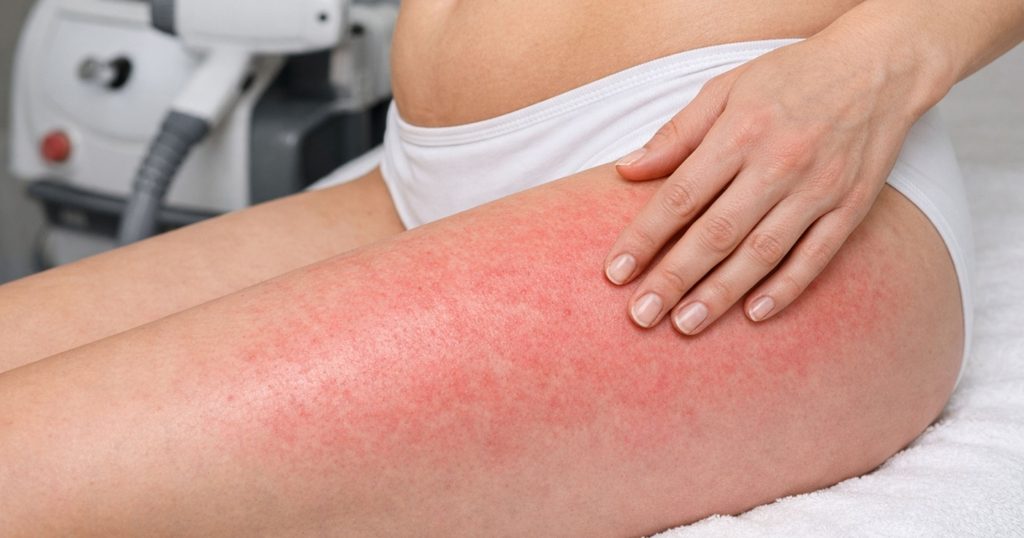
Your skin is probably ready for exercise when it feels comfortable at rest and doesn’t sting when your clothes touch it. The redness should be fading rather than becoming more noticeable, and the area should no longer feel unusually hot.
A short, easy walk is a good test of whether you’re ready. If the treated skin remains comfortable during and after the walk, you may be able to increase your activity gradually.
It’s better to wait if you notice:
- Increasing redness or swelling
- Burning, stinging or significant tenderness
- Blisters, crusting or broken skin
- Discomfort when clothing touches the area
- Itching that becomes worse with heat or sweat
Mild redness and slight swelling that settle on their own are normal after laser hair removal. Severe pain, blistering, marked swelling or symptoms that don’t improve should be discussed with your clinic.
Working Out by Treatment Area
Legs
Running, cycling and lower-body workouts can irritate freshly treated legs. Tight leggings may rub against the skin too, especially once you start sweating.
When you’re ready to start again, an easy walk is a safe first step. Once your skin feels comfortable, you can go back to running or leg day.
If you exercise outdoors, remember to protect exposed treated skin from direct sunlight. Laser hair removal aftercare commonly includes avoiding sun exposure and using broad-spectrum sun protection such as SPF 30 as advised by your clinic.
Underarms
Your underarms deal with sweat and constant movement during most workouts. Sweating after laser treatment on this area can cause stinging, and it can feel worse if you wear a tight top or use a fragranced deodorant.
Wait until the area feels calm before exercising. A loose top helps cut down on rubbing, and skipping fragranced products can prevent extra irritation.
After your workout, rinse off the sweat with lukewarm water and pat the area dry instead of rubbing it with a towel.
Bikini Area
The bikini area may need extra care because sweat, underwear and tight sportswear can all create friction. Activities such as running, cycling and spin classes may be uncomfortable if the skin is still sensitive.
When you head back to exercise, wear breathable underwear and loose clothing. It’s easier to start with walking or another low-friction activity before going back to cycling or tough lower-body workouts.
If the area continues to sting or feel sore, wait longer rather than trying to push through the discomfort.
Face
Laser hair removal on the face can leave your upper lip, chin or other treated spots looking red for a little while. Exercise may make this redness more noticeable because your face becomes warm during activity.
Try to avoid heavy workouts while the skin is tender. When you return to exercise, don’t rub your face with a towel, and wash the sweat off gently afterwards. Sun protection matters here too if you train outside, so wear SPF on your face as your clinic advises.
Back and Chest
If you’ve had laser hair removal on your back or chest, sweat and friction from sportswear may irritate the area. Exercise benches, backpacks and tight tops can also put pressure on recently treated skin.
A loose, clean shirt may feel more comfortable when you return to activity. If the treatment covers a large area, wait closer to 48 hours before an intense workout.
Tips for Working Out Safely After Laser Treatment
You don’t need to change your routine to get back to exercise. A few adjustments can make the first workout more comfortable:
- Start with a shorter, gentler workout
- Choose a cool environment and avoid excessive sweating
- Wear loose, breathable clothing
- Avoid anything that rubs against the treated area
- Skip saunas, steam rooms and hot tubs after exercising
- Shower with lukewarm water and pat the skin dry
If sweating after laser treatment causes stinging, rinse the area gently and stop your workout. Your clinic may also give you specific aftercare instructions based on the laser used, your treatment area and how your skin responds.
Conclusion
Working out after laser hair removal is usually fine once your skin has had time to recover, but rushing back too soon can leave it more irritated than necessary. Give yourself at least 24 hours away from intense workouts, then add light activity if the treated area feels comfortable. Your skin has the final say, so give it more time when it feels hot, painful, swollen or unusually sensitive. If you’re planning your next laser appointment around your workout, contact Blush for advice that fits your skin and your schedule.
FAQs
How soon can I work out after laser hair removal?
Most people should skip intense exercise for at least 24 hours. After that, you can try light activity like walking or gentle stretching if your skin feels normal. By 48 to 72 hours, many people can return to their usual routine. Your skin matters more than the clock, so if the area still feels hot, sore or itchy, give it more time.
Is redness after a workout normal following laser hair removal?
Mild redness that fades within a few hours is common. If it gets worse, lasts a day or more, or comes with burning, blisters or swelling, stop exercising and contact your clinic. Take that as a sign to rest longer before your next workout.
Can I go swimming or use a sauna after laser hair removal?
It’s best to wait at least 48 hours. Chlorinated pool water can sting freshly treated skin, and saunas, steam rooms and hot tubs add extra heat. If you still notice redness or tenderness after two days, give it a bit longer. Your clinic can tell you what’s safest for your skin.
What should I wear to the gym after laser hair removal?
Loose, breathable clothes are your best bet. Cotton or other soft, light fabrics rub less than tight leggings or compression gear. If you can, wear clean workout clothes every time so sweat and bacteria aren’t sitting on your skin.