Skin sensitivity plays a big role in why some areas hurt more during hair removal. Anyone who has done hair removal knows one thing for sure, some areas feel far more painful than others, and that is not just in your head.
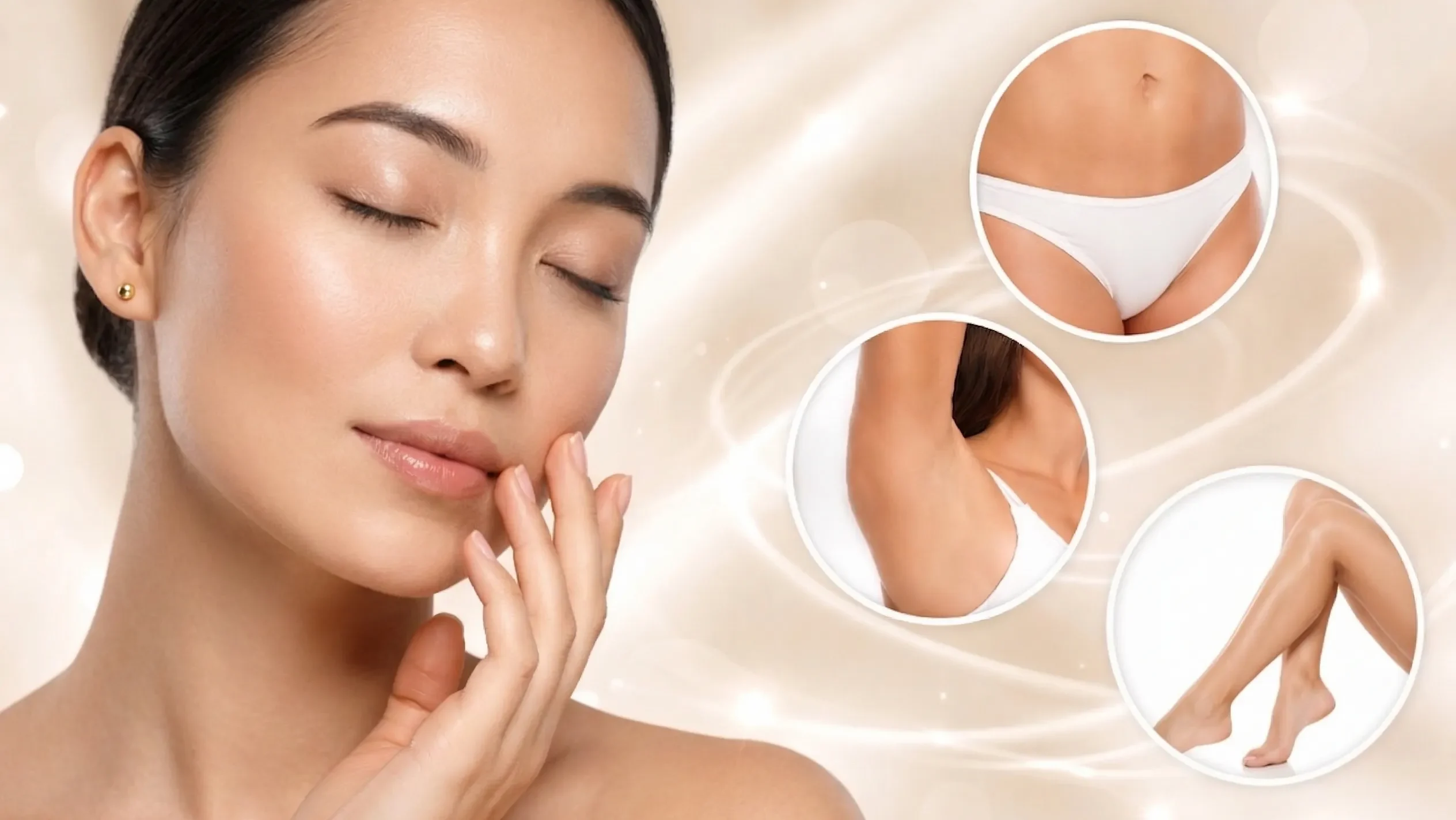
From an expert perspective, it comes down to how your skin is built. Certain areas like the upper lip, bikini line, and underarms naturally feel more sensitive because they have a higher concentration of nerve endings and thinner skin. These factors make the skin react more intensely during treatments.
In this article, we will break down why some zones trigger stronger pain responses and what you can do to make hair removal more comfortable, including simple sensitivity tests and technique adjustments.
Understanding nerve density and skin structure
What nerve density means for sensation
Nerve density simply refers to how many nerve fibres are packed into a specific area of your skin. The higher the density, the more sensitive that area tends to be.
At a structural level, free nerve endings extend into the upper layers of the skin and are responsible for detecting pain, heat, and cold. Around hair follicles, these nerve endings are especially active, which is why hair removal can feel more intense in certain spots. Deeper in the skin, specialised receptors handle sensations like pressure, touch, and vibration.
This is also why some areas feel dramatically different from others. Your fingertips, for example, are packed with nerve endings, making them extremely sensitive. The same principle applies to hair removal. A quick pluck on your arm might feel minor, but on the upper lip, where nerve density is higher, the sensation is much sharper.
How skin thickness affects pain perception
Skin thickness does play a role in how you feel hair removal, but it is not as simple as “thinner equals more pain”.
Areas like your lips and fingertips are technically thicker in certain layers, yet they feel far more sensitive because they are packed with specialised receptors.
Where thickness does come into play is how quickly heat or stimulation reaches those nerve endings. In thinner or more delicate areas, like the underarms or bikini line, energy from waxing or laser treatments travels faster through the skin, so the sensation feels sharper and more immediate.
You have a combination of relatively delicate skin, dense nerve networks, and in some cases coarser hair, all working together to amplify the experience.
The connection between hair follicles and nerves
Hair follicles are not just passive structures sitting in your skin. They are actually closely linked to your nervous system.
Around each follicle, there is a network of nerve endings that respond to movement, pressure, and pain. This is why even a slight bend or pull on a hair can be detected almost instantly. Your body is wired to pick up those signals.
Different types of nerve endings play different roles. Some detect pain, others respond to light touch or movement, and some are sensitive to pressure. When you remove a hair, especially from the root, you are stimulating several of these nerve endings at once.
It is not just the skin reacting, it is the follicle itself sending signals through its surrounding nerve network.
Body areas with heightened hair removal sensitivity
| Area | Sensitivity | Typical Discomfort | Why It Feels More or Less Intense |
| Upper Lip | High | 5 to 7 / 10 | Thin skin and a high concentration of nerve endings |
| Chin | Moderate | 3 to 5 / 10 | Slightly less sensitive than the upper lip |
| Bikini Line | High | 6 to 8 / 10 | Thin skin, coarse hair, and strong nerve response |
| Brazilian Area | Very High | 7 to 9 / 10 | Dense follicles and very delicate skin |
| Underarms | Moderate to High | 5 to 7 / 10 | Sensitive skin with dense hair growth |
| Chest / Abdomen | Low to Moderate | 3 to 5 / 10 | Thicker skin usually makes treatment easier to tolerate |
| Legs | Low | 2 to 4 / 10 | Larger treatment area but generally less sensitivity |
| Arms | Low | 2 to 3 / 10 | Fewer concentrated nerve endings than smaller delicate zones |
Why hair removal triggers stronger pain responses
Mechanical trauma activates pain receptors
When you remove hair from the root, you are directly stimulating the nerve endings around each follicle.
With waxing, the effect is stronger because it pulls on both the hair and the surface of the skin at the same time. From experience, this is where most of the discomfort comes from.
Coarse hair tends to feel more painful as it is more firmly anchored. You may also notice temporary redness or slight swelling after treatment. These reactions are common, especially for first-time clients, and usually settle within 24 to 48 hours.
Heat-based methods and nerve stimulation
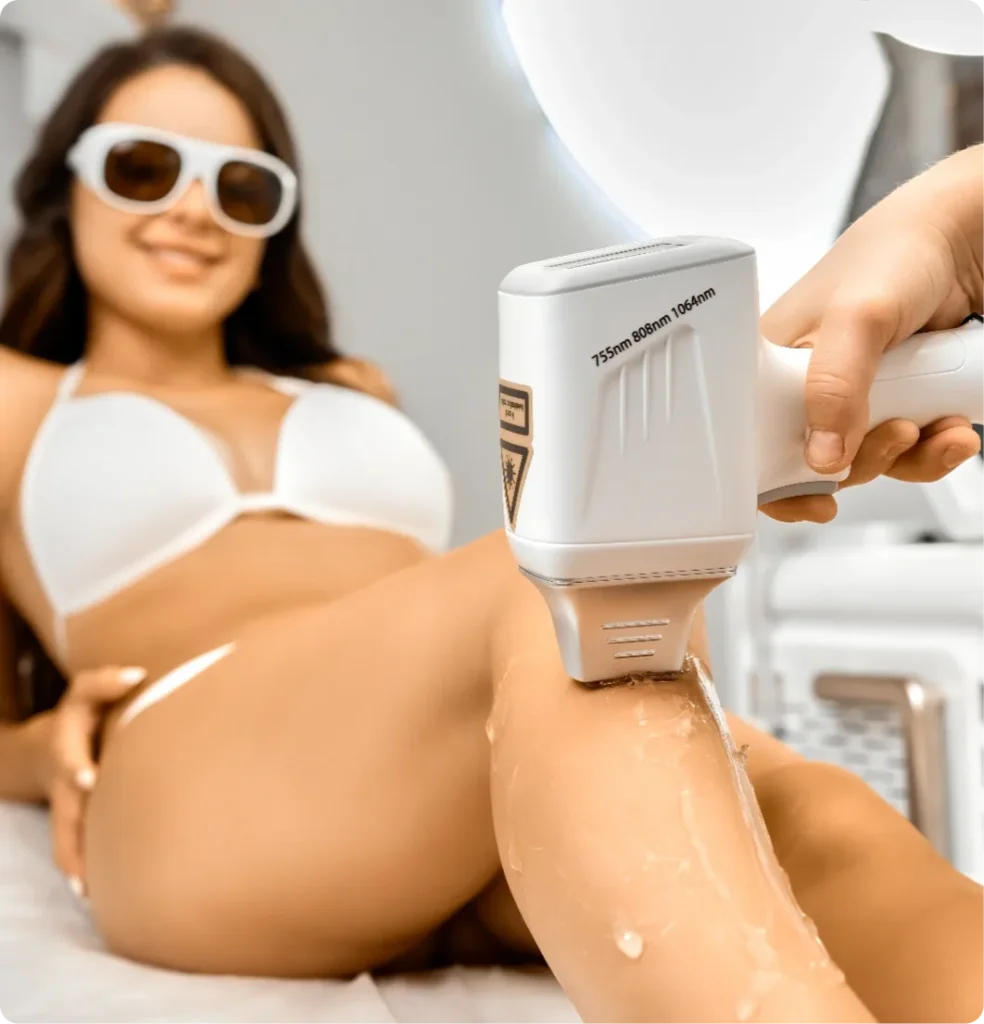
Laser and IPL treatments work by delivering heat into the hair follicle, which is what creates that quick, sharp sensation during each pulse.
At Blush SG, we use advanced diode laser technology, with advanced IPL available as an option, so treatments can be matched more carefully to different skin and hair types. Most clients describe the feeling as mild to moderate and manageable, even in more sensitive areas like the upper lip.
Chemical irritation in sensitive zones
Depilatory creams work by breaking down the protein structure of the hair using alkaline chemicals like calcium hydroxide and thioglycolates. While effective, these ingredients can also irritate the surrounding skin, especially in more delicate areas.
If the product is left on too long or the skin is already reactive, it can lead to redness, stinging, or even mild chemical burns.
You may also see temporary darkening after irritation, which is a common skin response rather than a specific ingredient effect.
Repeated hair removal and nerve sensitisation
Clients with more reactive skin may notice that repeated waxing results in fewer symptoms over time as the body becomes desensitised to the procedure.
Practical approaches to managing hair removal discomfort
A few small adjustments can make hair removal much more manageable, especially in sensitive areas:
- Do a skin sensitivity test first: Before laser treatment, a patch test helps check how your skin reacts and allows the settings to be adjusted if needed.
- Consider numbing cream for sensitive zones: For areas like the upper lip or bikini line, a topical numbing cream may help reduce discomfort before treatment.
- Time your session carefully: Many people find treatments feel more comfortable just after menstruation, when pain sensitivity is often lower.
- Use the right technique: For waxing, hair should be long enough for the wax to grip the hair properly instead of pulling mainly on the skin.
- Keep aftercare simple: A cool compress, aloe vera gel, and fragrance-free moisturiser can help calm the skin after treatment.
- Choose gentler options when needed: Hard wax is often better for delicate areas, while trimming is a good low-irritation option for very sensitive skin.
Conclusion
Some areas will always feel more sensitive than others, and that is completely normal. Areas like the upper lip, underarms, and bikini line tend to feel more intense, but with the right method and proper care, the experience can be much more manageable.
The key is choosing a treatment approach that suits your skin, comfort level, and goals. If you are looking for a smoother, more comfortable hair removal experience, Blush can help you find the option that feels right for you, especially if you are considering advanced solutions like permanent hair removal. Book an appointment with our team and let us recommend a treatment plan tailored to your skin and the areas you want to treat.
FAQs
Which areas have the highest skin sensitivity during laser hair removal?
Areas with the highest skin sensitivity include the upper lip, bikini line, and underarms. These zones have thinner skin and higher nerve density, so they tend to feel more intense during treatment.
Does skin sensitivity affect how painful laser hair removal feels?
Areas with the highest skin sensitivity include the upper lip, bikini line, and underarms. These zones have thinner skin and higher nerve density, so they tend to feel more intense during treatment.
Is laser hair removal suitable for sensitive skin?
Laser hair removal is generally suitable for sensitive skin when the right settings and technique are used. A proper consultation and patch test help ensure the treatment is adjusted safely.
How can I reduce skin sensitivity before laser hair removal?
To reduce skin sensitivity, avoid sun exposure, keep your skin well moisturised, and avoid irritating products before your session. This helps your skin stay calm during treatment.
What helps soothe skin sensitivity after laser hair removal?
Cooling the skin with a cold compress or aloe vera helps reduce skin sensitivity after treatment. It is also best to avoid heat, friction, and perfumed products for at least 24 hours.